The Crown Jewels
Before the coronation ceremony, the Regalia is transported from the Tower of London into the custody of the Dean of Westminster. This tradition commemorates the fact that until the Civil War, part of the coronation Regalia was in the permanent keeping of the Abbots and then the Dean of Westminster, housed in the Pyx Chamber. On its arrival at the Abbey, the Regalia is placed in the Jerusalem Chamber, where it is guarded by the Yeomen of the Guard.
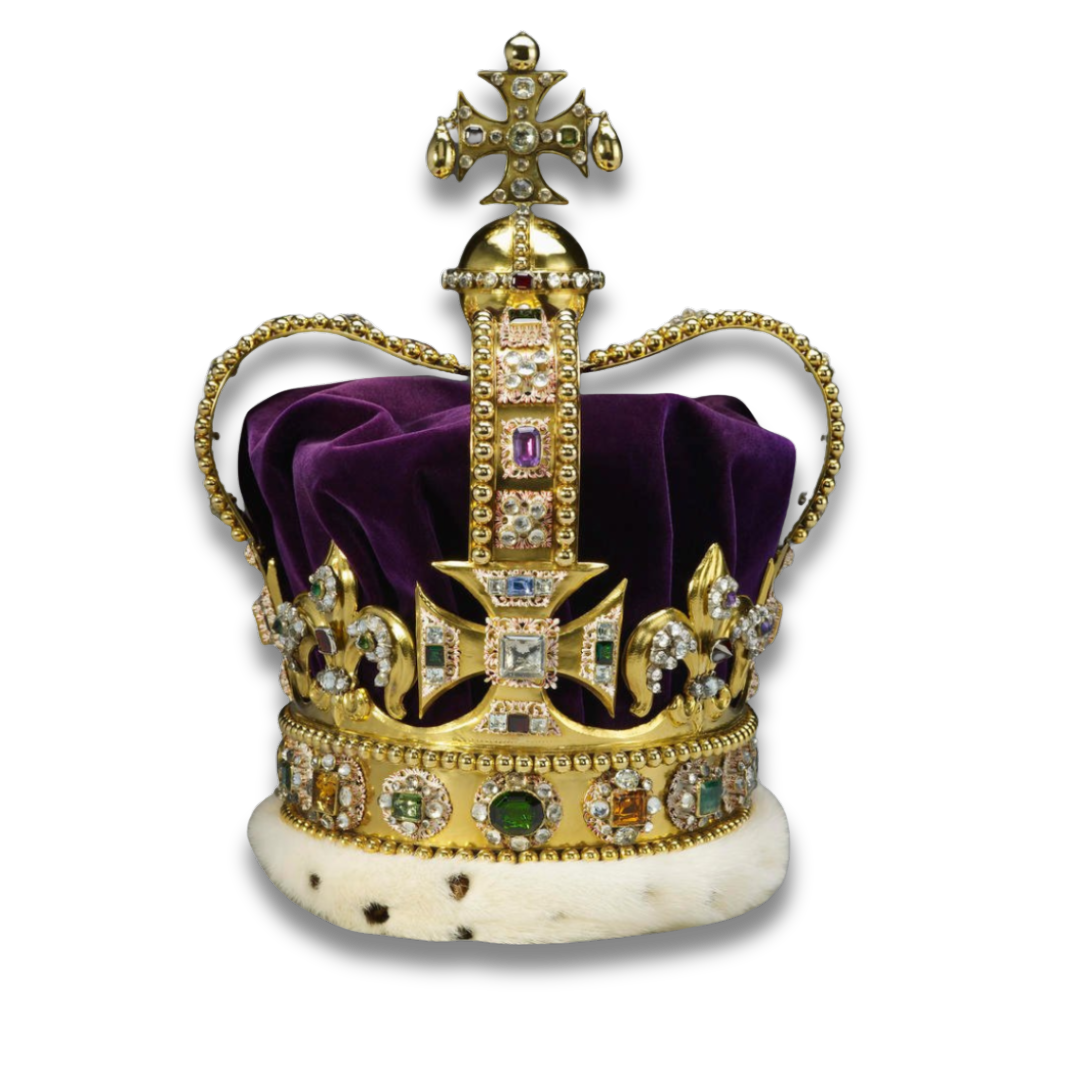
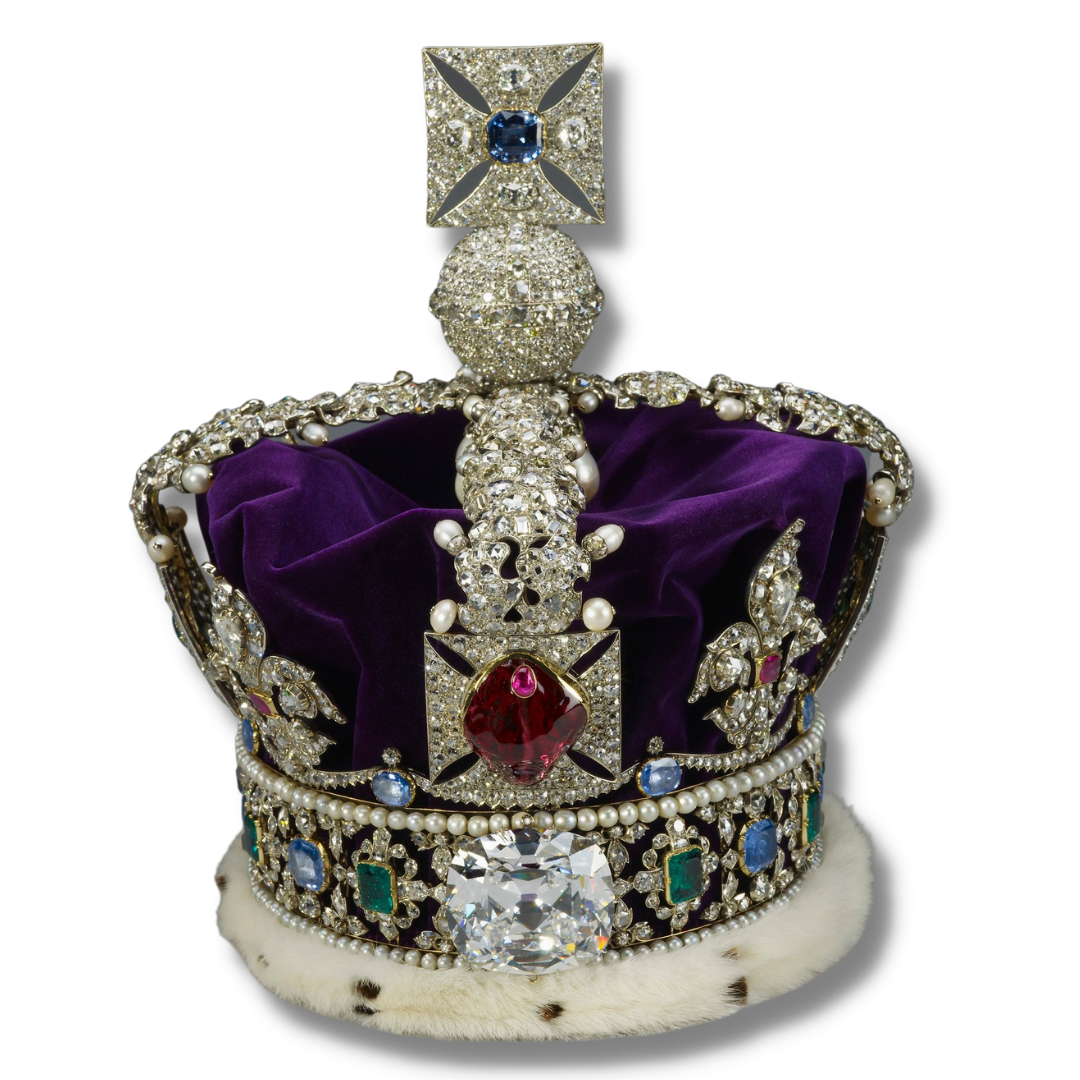
On the day of the coronation, the Regalia is carried in procession by the Dean and Canons, accompanied by the choirs of Westminster Abbey and the Chapel Royal and by the King's Scholars of Westminster School, from the Jerusalem Chamber to the High Altar. There the Imperial State Crown is laid upon the Altar, while the remainder of the Regalia with St. Edward's Crown is carried to the West Door, where it is delivered to those appointed to bear it in the procession at the opening of the coronation service.
Until the coronation of King William IV in 1831, the Dean and Canons proceeded with the Regalia to Westminster Hall, where the sovereign awaited them, having spent the previous night within the Palace of Westminster. This ceremony, which dated to the earliest times, represented the election of the sovereign by the second estate of the Realm, just as within the Abbey the sovereign is recognised by the first and third estates at the Recognition. It was regrettably discontinued at the coronation of William IV and has not since been revived.
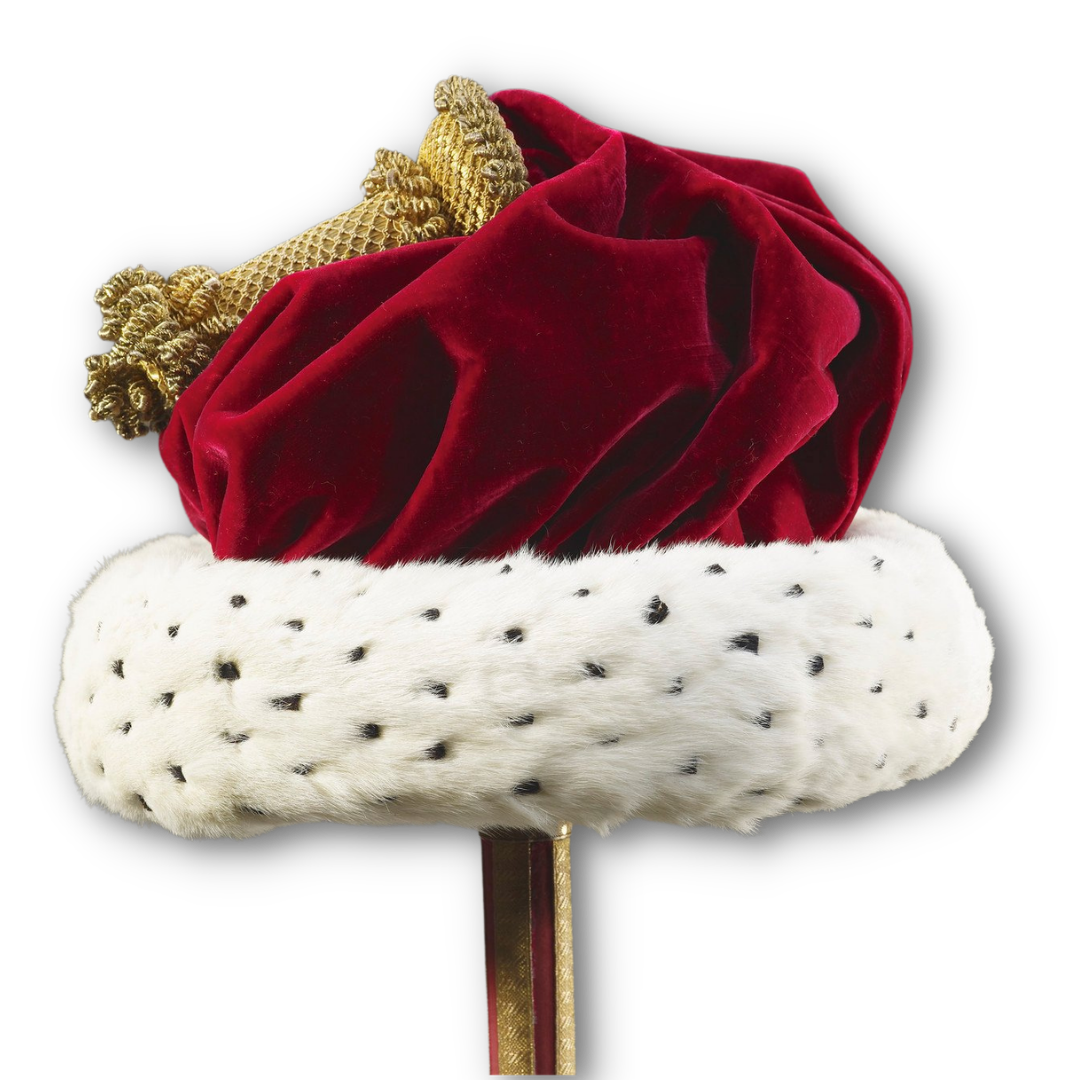
During the Procession, accompanied by the strains of Hubert Parry's anthem I was glad, the King wears the Robe of State, consisting of a cape of ermine and a long train of crimson velvet. He is supported on each side by a Bishop, a curious instance of conservatism in that the two Bishops are always those of Durham and of Bath and Wells, whose predecessors happened to be present at the coronation of King Richard I. Historically the sovereign processed wearing the Cap of Maintenance edged with ermine, last seen at the coronation of King George IV in 1821, though this tradition has since lapsed.
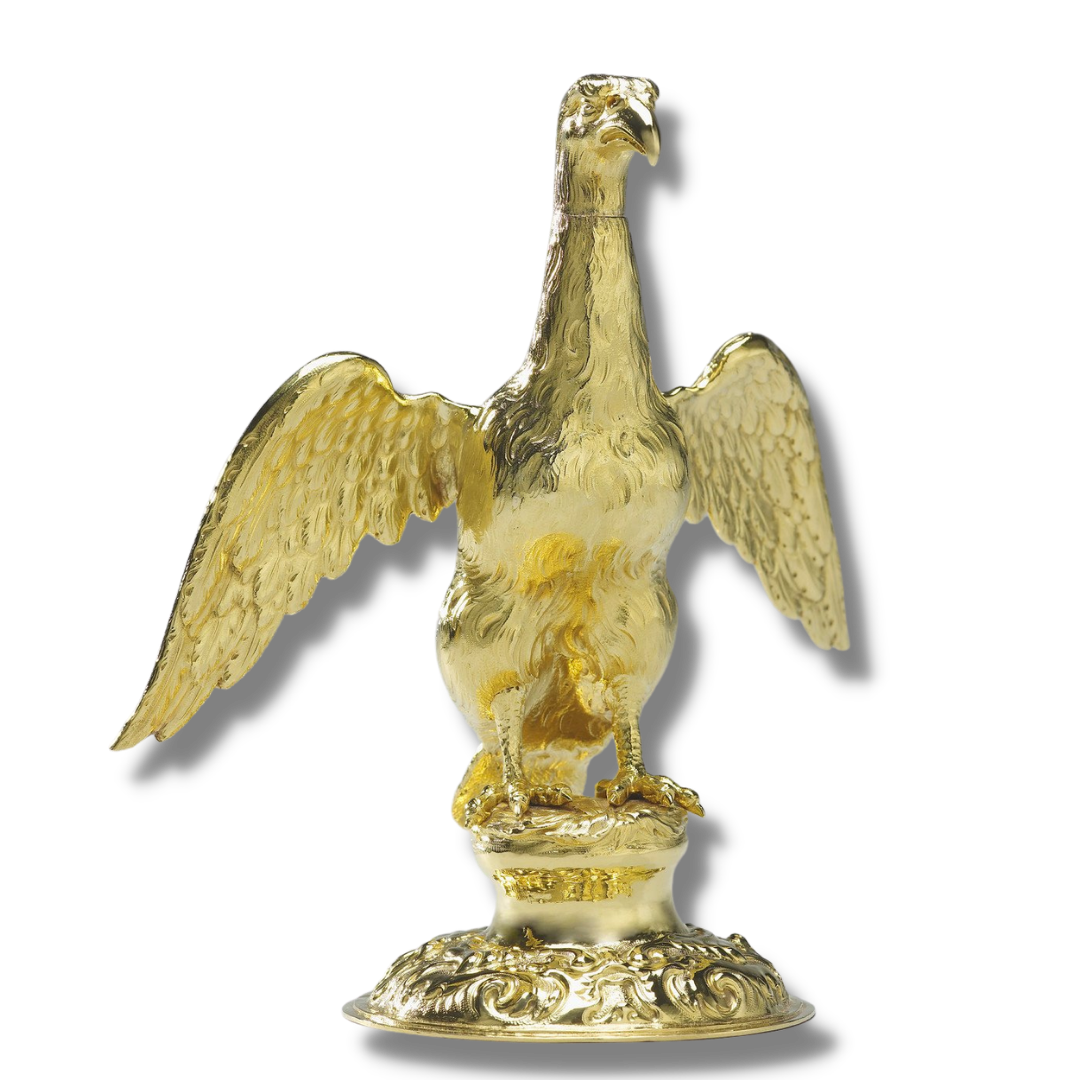
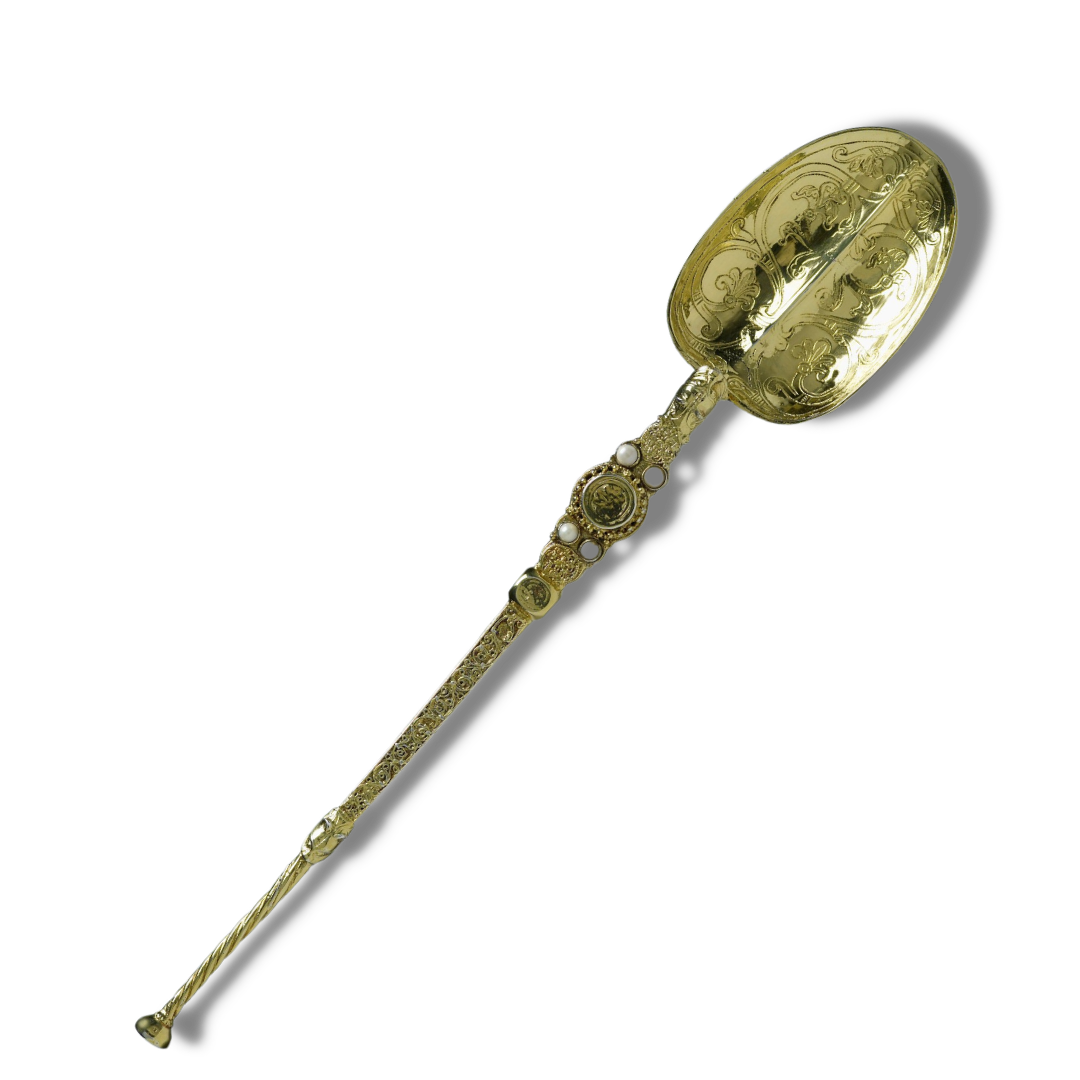
The Sovereign is not invested with the royal robes and insignia until after the anointing, the most solemn moment of the entire ceremony. During preparations for it, the choir sing Zadok the Priest, set to Handel's celebrated score since the coronation of King George II in 1727 and sung at almost every coronation since. In the meanwhile, the Dean of Westminster brings the Golden Ampulla from the Altar and pours from it some of the Holy Oil into the Coronation Spoon, believed to date from at least the 12th century and one of the oldest surviving objects in the entire collection. The Archbishop of Canterbury then anoints the Sovereign on the hands, the breast, and the head, the Sovereign having been seated in King Edward's Chair and covered by a canopy of cloth.
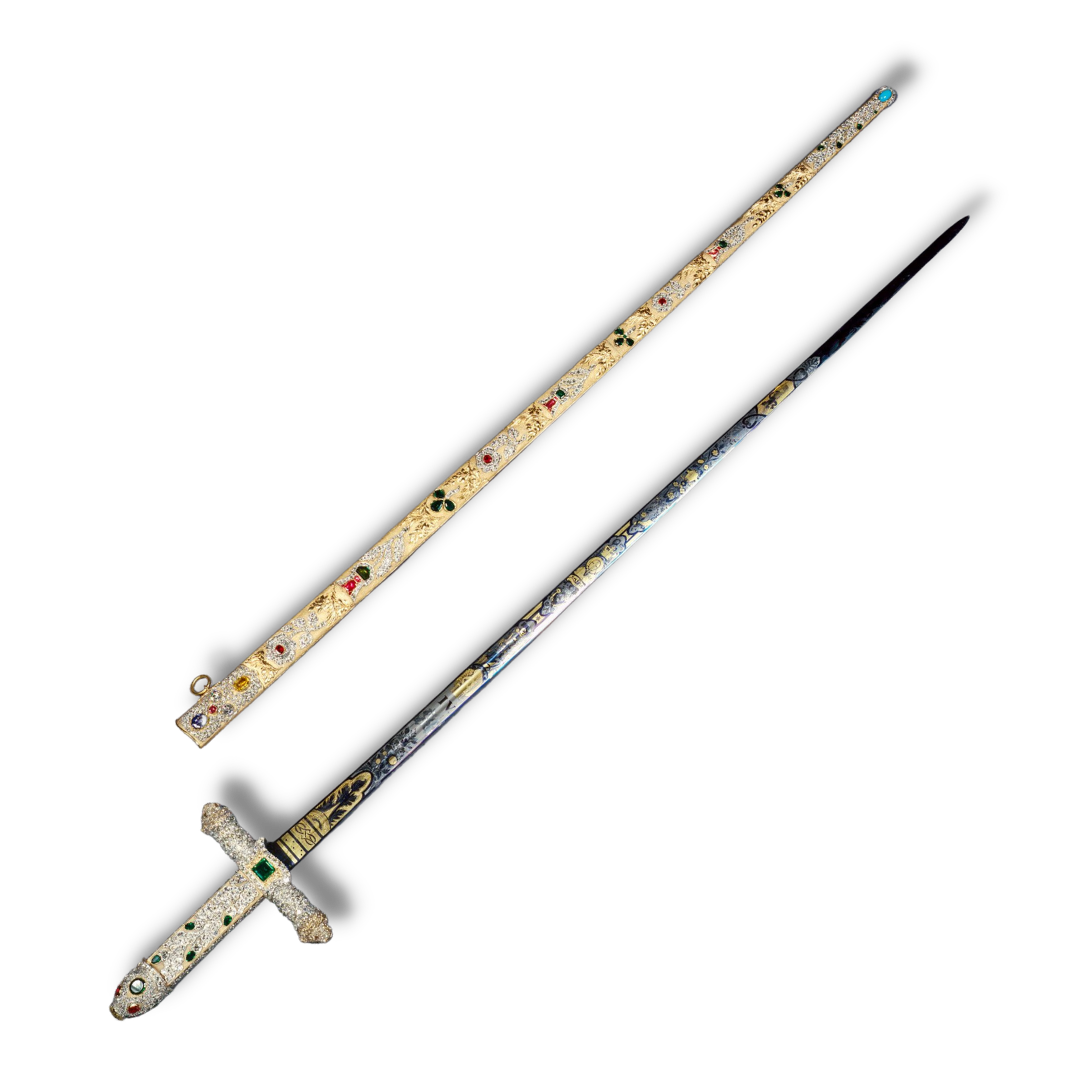
Then follows the investment with the royal robes and royal insignia. The sword with which the King is girded has been described in the rubric since the time of Queen Anne as having a scabbard of purple velvet, and is often referred to as the Sword of State. The sword presently used, however, is the beautiful jewelled sword and scabbard made specially for the coronation of King George IV. It is brought from the Altar by the Archbishop, assisted by other Bishops, and the significance of the girding is not to proclaim the King as head of the Armed Forces, but to charge him to use the sword in the service of God.
The King is then invested with the Robe Royal of cloth of gold, after which the Regalia are delivered to him one by one.
First, he is presented with the Orb, symbolising independent sovereignty under the Cross. In early times, the cross which now surmounts it was elongated into a kind of sceptre, and was interchangeable with what is now known as the Sceptre with the Cross. This early form of the Orb appears on many of the medieval Great Seals, and also in the famous contemporary portrait of Richard II which sits on a pillar in the nave at Westminster Abbey.
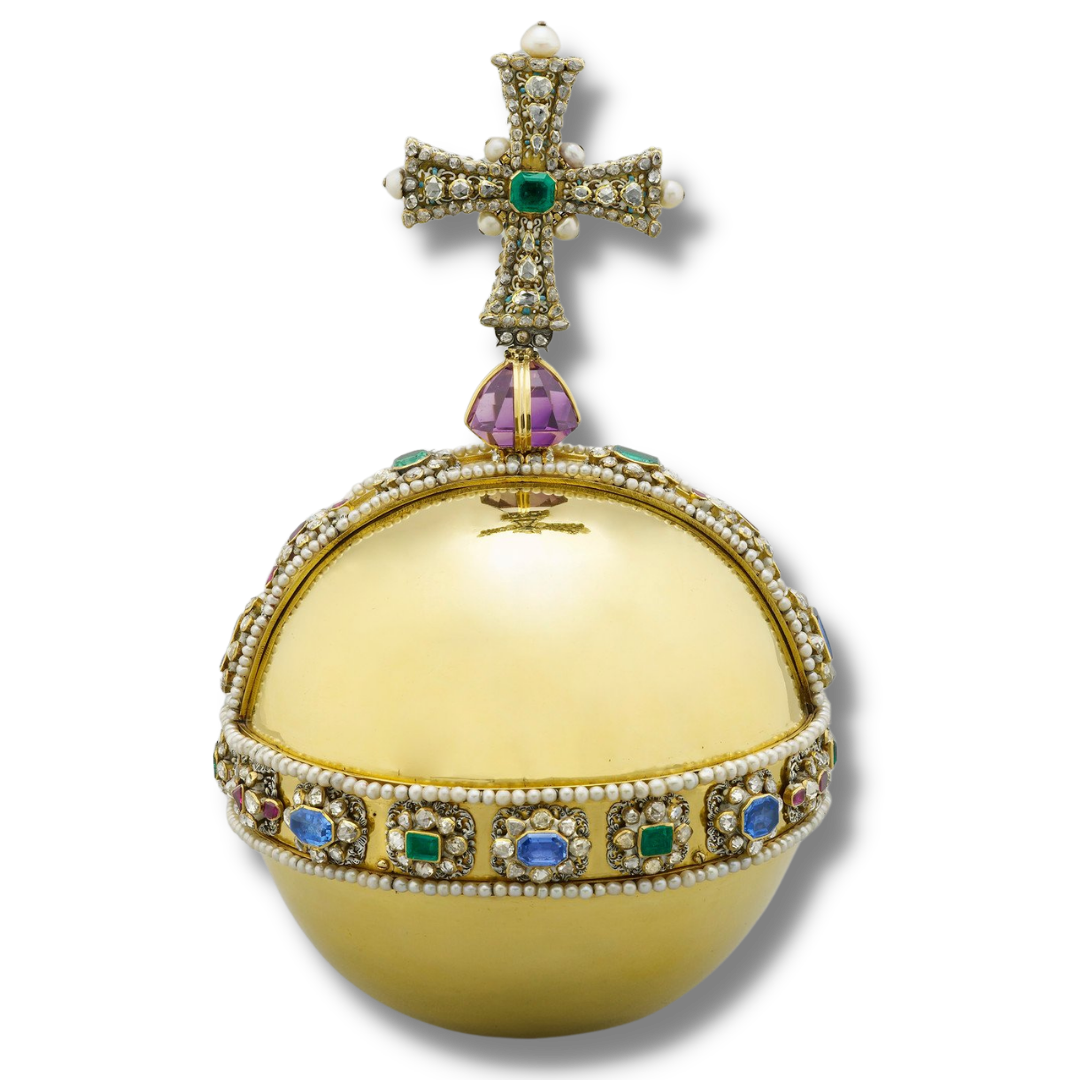
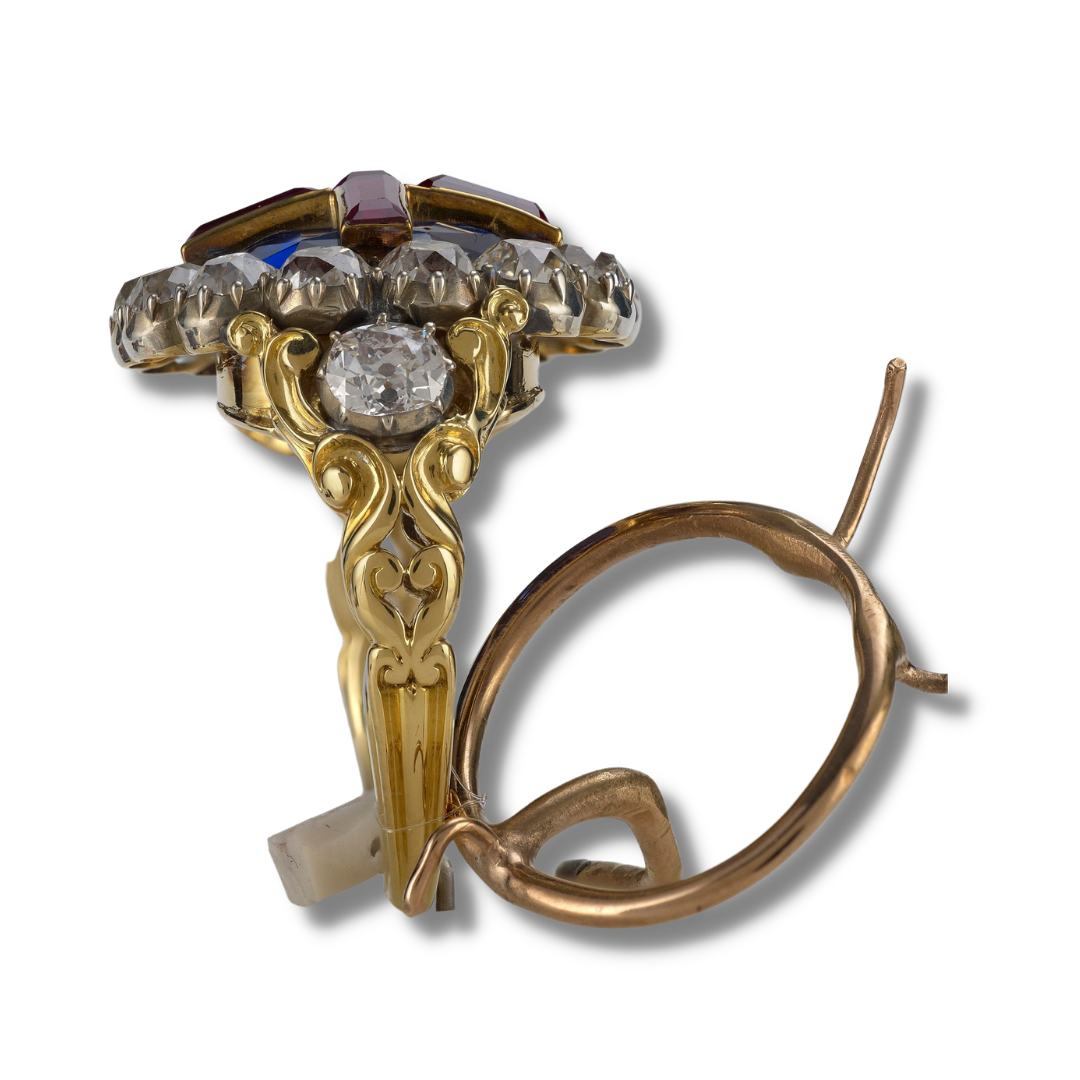
As soon as the Orb is delivered to the Sovereign, it is immediately returned to the Dean of Westminster so that the ring may be placed upon the Sovereign's finger and both hands left free for the delivery of the two Sceptres which follow.
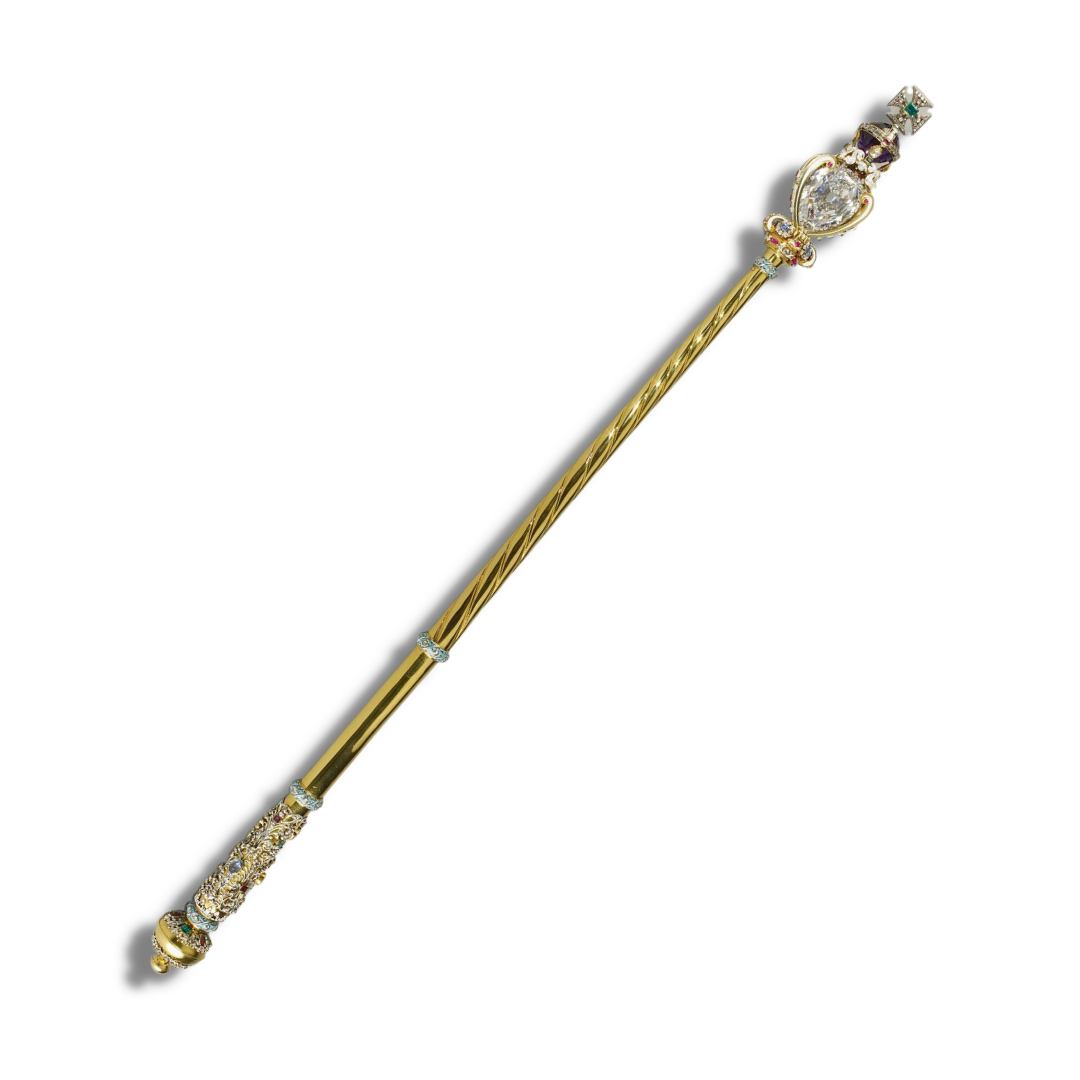
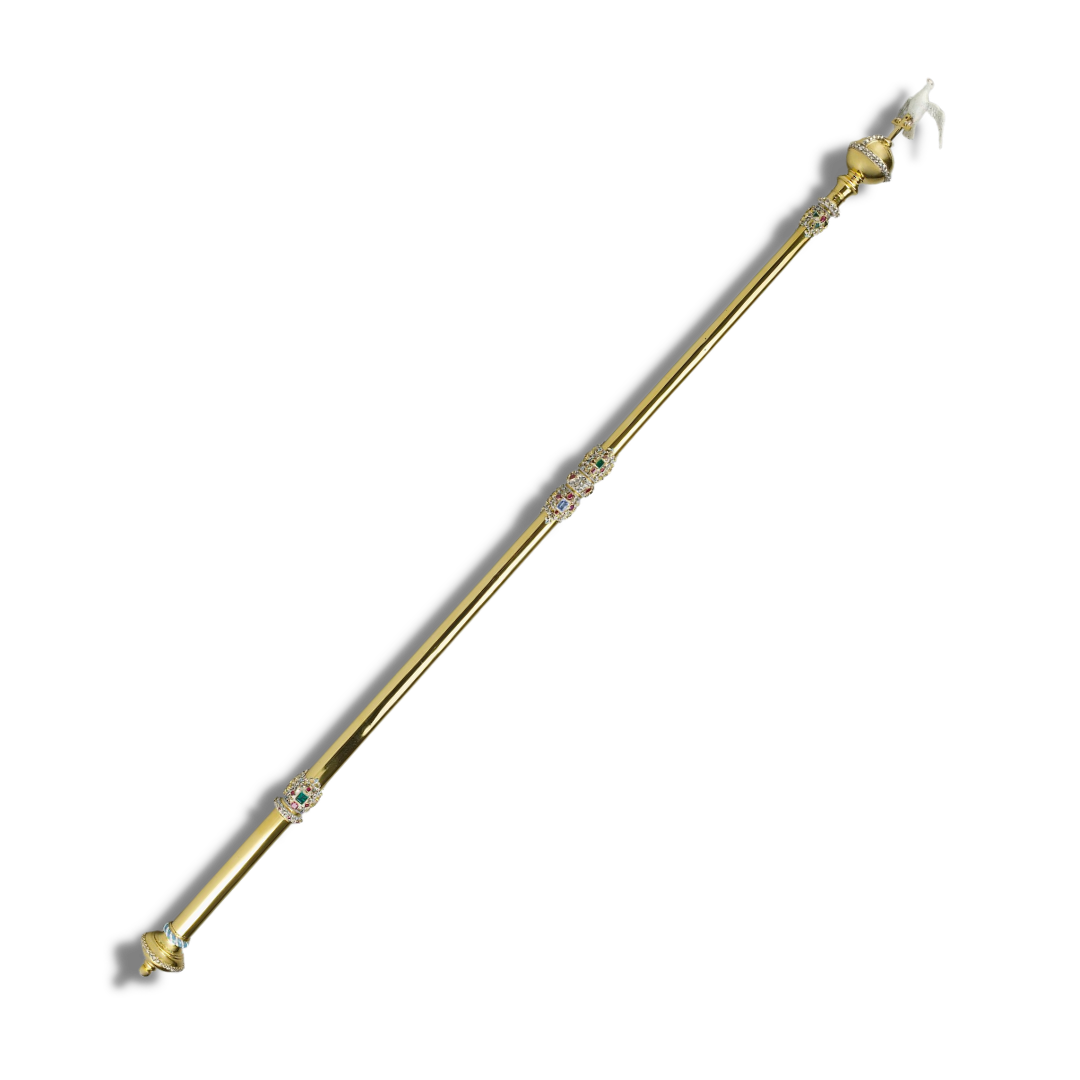
All is now in readiness for what has come to be the central moment in the service. The Archbishop goes to the Altar and, taking St. Edward's Crown in his hands, says a dedicatory prayer. It is the privilege of the Dean of Westminster, as of the Abbots of Westminster before them, to bring the Crown from the Altar, and from them the Archbishop receives it and, in the words of the order of service, "reverently puts it upon the King's head." No one present at that supreme moment will ever forget it.